


NDIS speech pathology for communication and swallowing
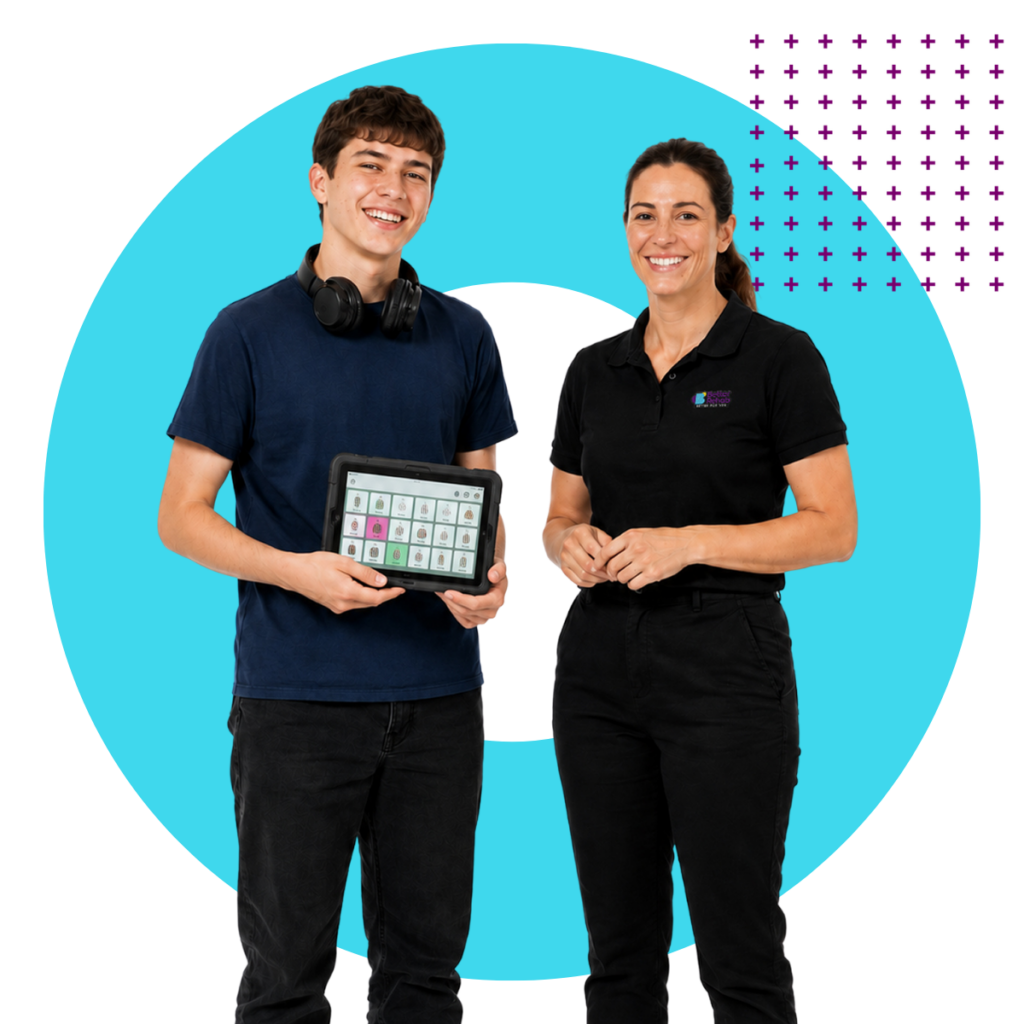
Communicate in the way that works for you. Better Rehab’s speech pathologists work alongside NDIS participants to build everyday communication, explore augmentative and alternative communication, and support safer, more comfortable eating and drinking.
Your communication belongs to you
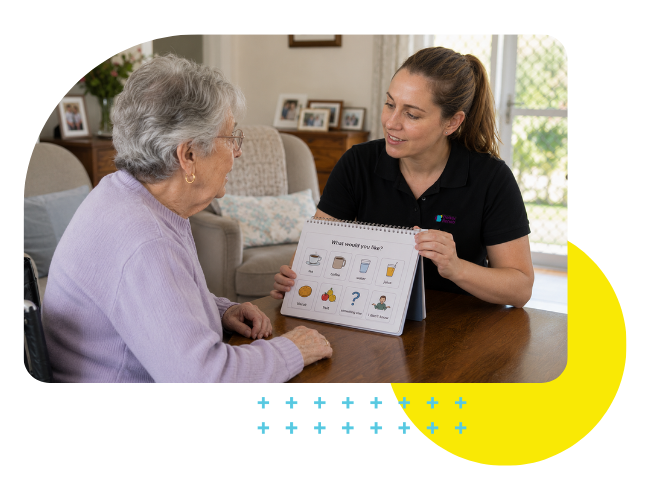
Communication is how you share a choice, tell a story, ask a question, connect with someone and take part in decisions about your life. It may happen through speech, facial expression, gesture, signing, writing, pictures, symbols, a communication board, a speech-generating device, or a combination of methods.
Speech pathology can also support eating, drinking and swallowing. If meals take a long time, certain textures are difficult, or coughing and discomfort are affecting mealtimes, a speech pathologist can assess what is happening and recommend strategies suited to your needs.
Speech pathology across different life stages
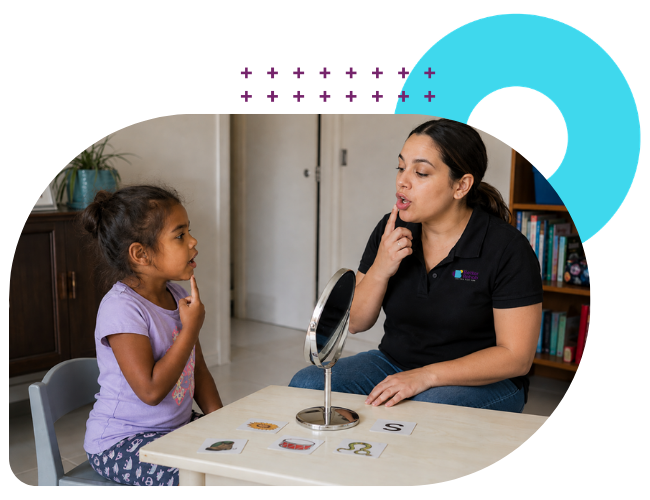
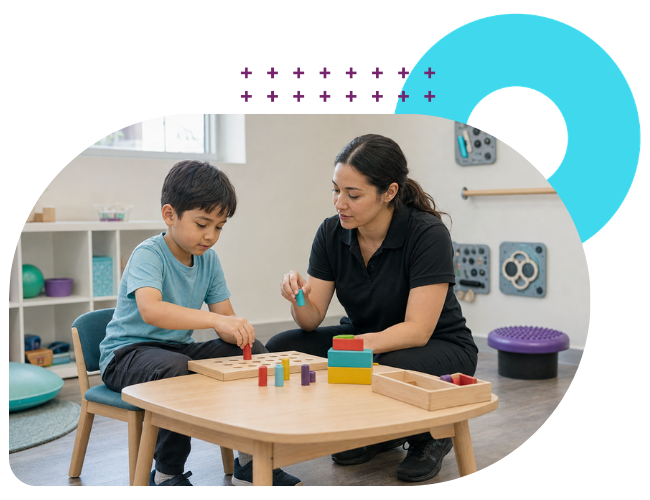
Children learn and communicate through relationships, play, routines and shared experiences. Speech pathology may support early interaction, speech sounds, language, fluency, literacy, social communication or mealtimes. Sessions can use the child’s interests and everyday activities so learning feels relevant and can be used beyond the appointment.
Adults may seek support after a stroke or brain injury, because of cerebral palsy or intellectual disability, or as communication and swallowing change with conditions such as Parkinson’s disease, multiple sclerosis or motor neurone disease. Support may focus on preserving current skills, rebuilding skills, reducing effort, introducing AAC or adapting communication and mealtimes as needs change.
Our NDIS speech pathology services
Communication therapy
Support for speech, language, voice and fluency, including stuttering, tailored to the conversations you deal with day to day, at home, school, work or community settings.
Swallowing assessments and dysphagia treatment
Assessment and treatment for swallowing difficulties, including diet modifications and practical mealtime management plans, so eating and drinking stay safe and enjoyable rather than stressful.
Augmentative and alternative communication
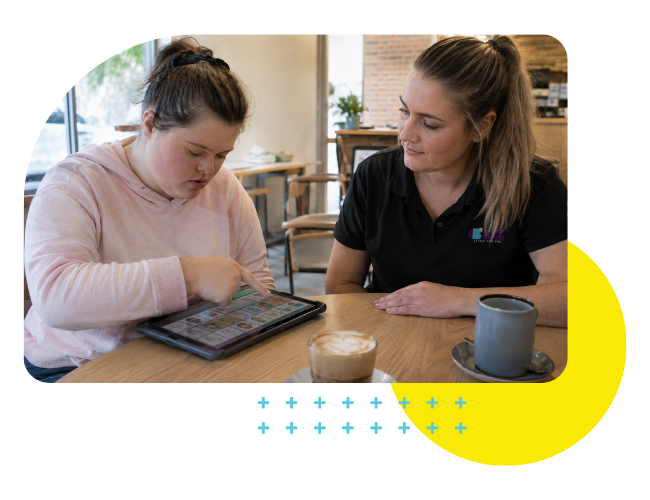
Individualised communication strategies and tools, from low-tech options through to speech-generating devices, matched to what actually works for how you want to communicate.
Your speech pathologist will discuss the most suitable option with you.
Who we work with
We work with NDIS participants of all ages, working alongside speech pathologists to progress the goals set out in their plan, from communication and language through to swallowing and social interaction. Whether you’re plan-managed or self-managed, we’ll coordinate with Support Coordinators and family members wherever that makes the process smoother. Private clients and older Australians accessing aged care, including Support at Home, are equally welcome.
No matter how your care is arranged, you can choose to meet at home, in clinic, out in the community, or over telehealth, in whatever way works best for you.

With clinics across Australia, support is always nearby
Better Rehab has clinics and offices spanning major cities and key urban centres. Our clinicians are also able to provide tailored therapy solutions by telehealth.
Across all our sites, our operating hours are 8:30am to 5pm.

Perth (4 clinics)
Darwin (1 clinic)
Townsville (1 clinic)
Adelaide (1 clinic)
Hobart (1 clinic)
Launceston (1 clinic)
Mornington (1 clinic)
Geelong (1 clinic)
Melbourne (8 clinics)
Wollongong (1 clinic)
Newcastle (1 clinic)
Canberra (1 clinic)
Central Coast
Sydney (7 clinics)
Gold Coast (2 clinics)
Sunshine Coast (1 clinic)
Ipswich (1 clinic)
Brisbane (4 clinics)
Adundel
NDIS speech pathology is one part of what we do
Better Rehab can also provide speech pathology alongside occupational therapy, physiotherapy, positive behaviour support, and other allied health services. If you use more than one Better Rehab service, clinicians can coordinate with your consent so each discipline understands your priorities and avoids working at cross-purposes.
Hear from our happy participants
Our good news stories and resources


FAQs
What is speech pathology?
What types of speech pathology services do you offer?
Where can I receive speech pathology services?
How can speech pathology help me?
Speech pathology can help to provide tools and strategies for:
- Improving speech and language skills.
- Safe swallowing and enjoyable mealtimes.
- Lifelong communication skills.


