



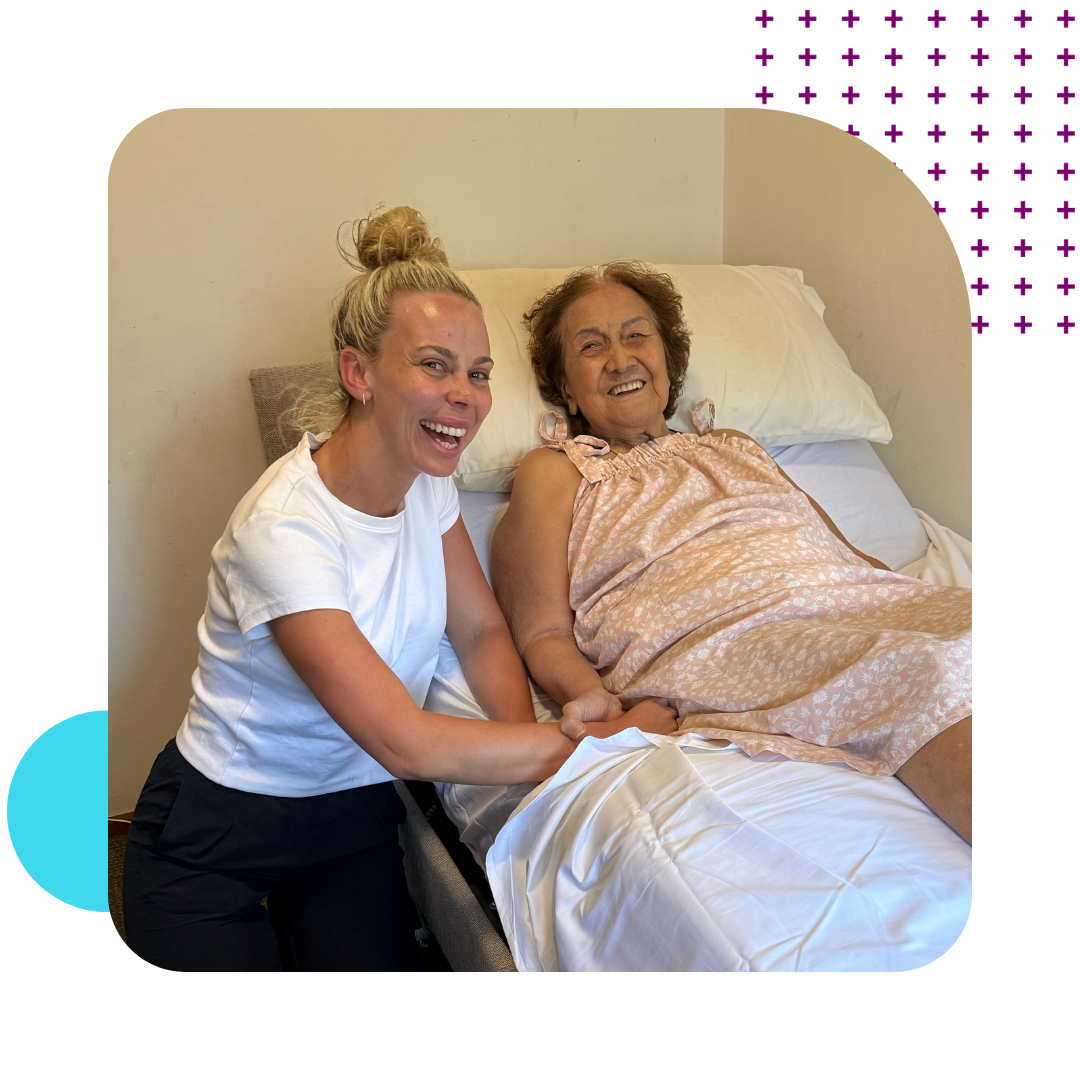
For most of us, having a comfortable bed to sleep in is something we rarely think twice about. But for 91-year-old Lettie, that hadn’t been her everyday reality for quite some time.
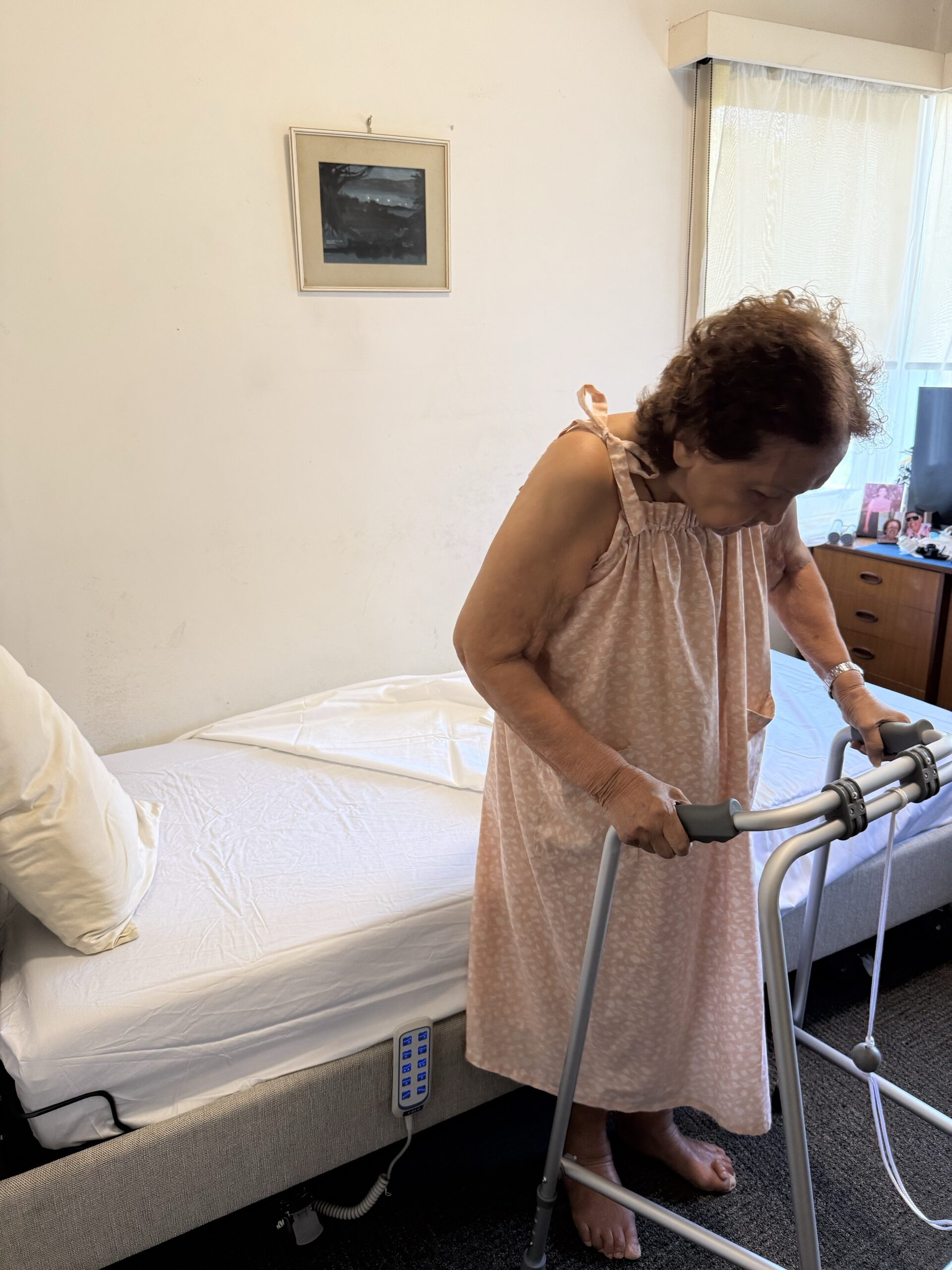
After experiencing recurrent falls and changes in her mobility, Lettie had been spending around 22 hours a day in an old recliner, and needed falls and balance physiotherapy to help her get moving again. It was where she sat, rested and even slept. Walking just a few metres to the bathroom had become difficult, and getting out into the community meant relying on a wheelchair. It was a big change for someone who once enjoyed her morning walks outdoors with the help of her two-wheeled walker.
When Elly first visited Lettie at home through the Support at Home program, she recognised that supporting her wellbeing meant looking beyond mobility alone and considering the broader factors influencing her comfort, safety, independence and quality of life.
Looking beyond mobility to see what really matters
Over the past 18 months, Lettie’s strength and mobility had declined significantly. She also lives with osteoporosis, osteoarthritis and diabetes requiring a thoughtful and individualised approach to supporting her mobility, comfort and safety at home.
At her initial mobility assessment, her physiotherapist noticed something more concerning. Lettie was spending most of her day in her old recliner and had few chances to change position. That put her at very high risk of pressure injuries, and her chair was inappropriate for her support and postural needs.
Improving mobility was still important to Lettie, but through working together, it became clear that her comfort, positioning, and pressure management were also high priorities.
By taking the time to understand what life looked like at home, physiotherapist Elly and Lettie identified practical changes that could make a real difference.
Sometimes the biggest improvements come from looking beyond a single goal and seeing the whole person.
The power of working together
Rather than approaching Lettie’s needs in isolation, her physiotherapist, Elly, worked closely with her Occupational Therapist, Case Partner and family to explore the most appropriate support.
With guidance from Faye, Better Rehab’s OT Clinical Lead, the team helped organise a height-adjustable bed and pressure management mattress, so Lettie had a better place to rest.
They also arranged assistive technologies such as pressure-relieving cushion, a two-wheeled walker, a shower chair and other practical equipment to help with her comfort, mobility and everyday activities. Each item was chosen with Lettie’s needs and her home in mind.
The process behind the clinical decisions was simple: a careful assessment, good clinical reasoning and everyone working towards the same goal.
Elly also helped re-arrange the furniture in Lettie’s room to ensure everything was set up appropriately
A meaningful change to everyday life
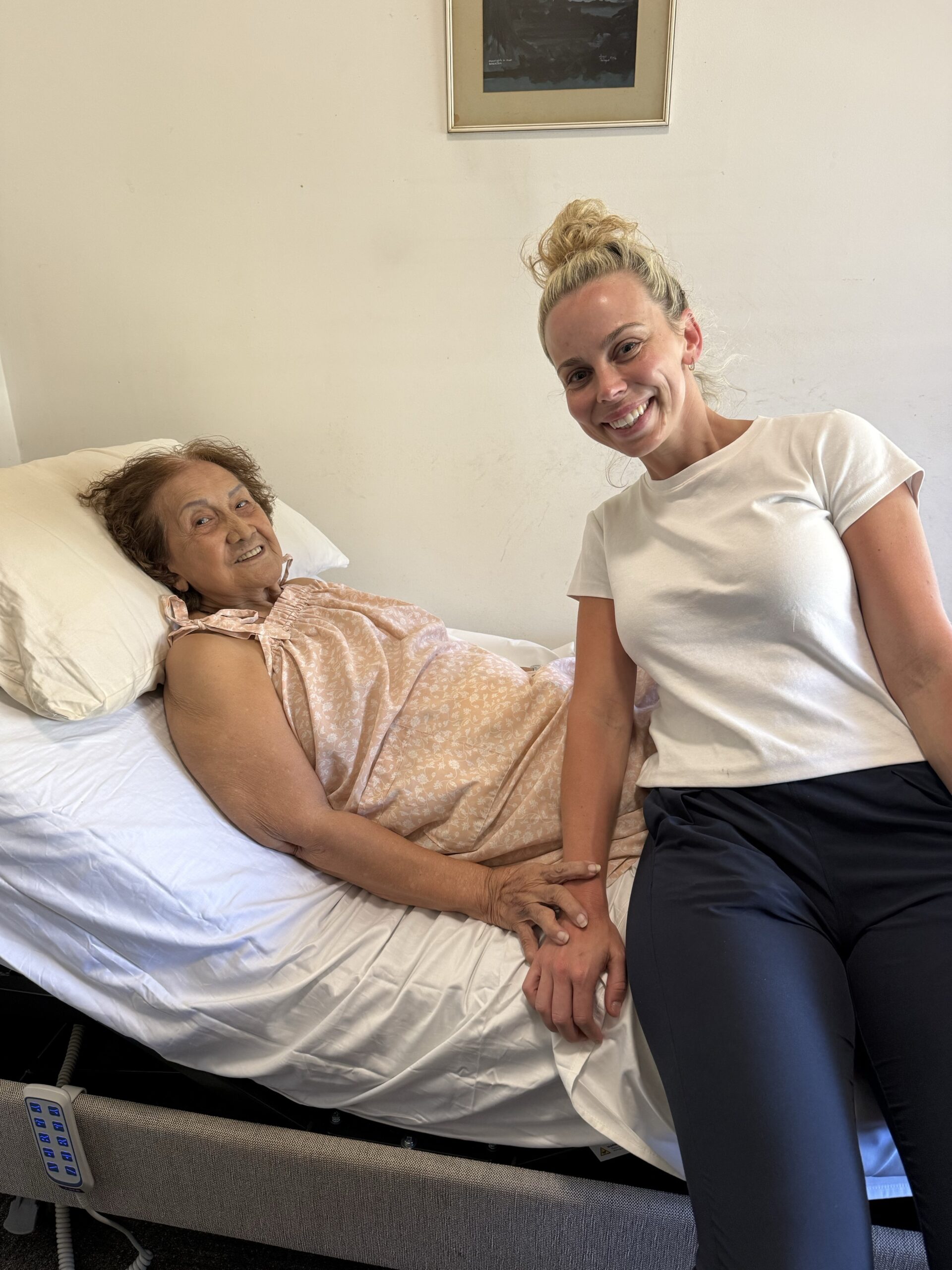
After spending so much of the previous 18 months in an unsuitable recliner, Lettie now had a bed suited to her needs, as well as equipment to support positioning and pressure management, and practical aids to help with movement and everyday activities.
These changes were far more than just new equipment. For Lettie, they meant greater comfort, improved safety, and the ability to spend her days with the support she needed to live well at home.
For Physiotherapist Elly, seeing everything come together was a powerful affirmation of the impact physio can have and why they chose a career in allied health in the first place. It was about understanding what mattered most to Lettie, advocating for the right supports, and working collaboratively to create meaningful improvements in her comfort, safety, and quality of life.
Physiotherapy – recognising What Matters Most
People often think of physiotherapy as exercises, strength training, balance work and improving mobility. Lettie’s story highlights the broad scope of physiotherapy. It’s about understanding how someone lives, identifying barriers to comfort and independence, and working collaboratively to find solutions that support their goals and wellbeing.
When changes in mobility, comfort, or daily function arise, physiotherapists can assess the bigger picture and help connect people with the equipment, supports, and strategies needed to live safely and confidently at home.
Lettie’s experience also shows how clinicians can act as important advocates and problem-solvers. When they combine clinical knowledge with teamwork, they can make changes that might otherwise be overlooked. At Better Rehab, person-centred care means understanding what matters most to each person and finding practical ways to support.
Progress can look like steps taken, metres walked or exercises completed. For Lettie, it meant greater comfort, appropriate support, and a more comfortable place to sleep.
And that’s worth celebrating.
If you’d like to learn more about how our physiotherapists work alongside occupational therapists, support workers and families, visit our physiotherapy page. And if you have a participant who could benefit from a physiotherapy review, submit a referral here.