



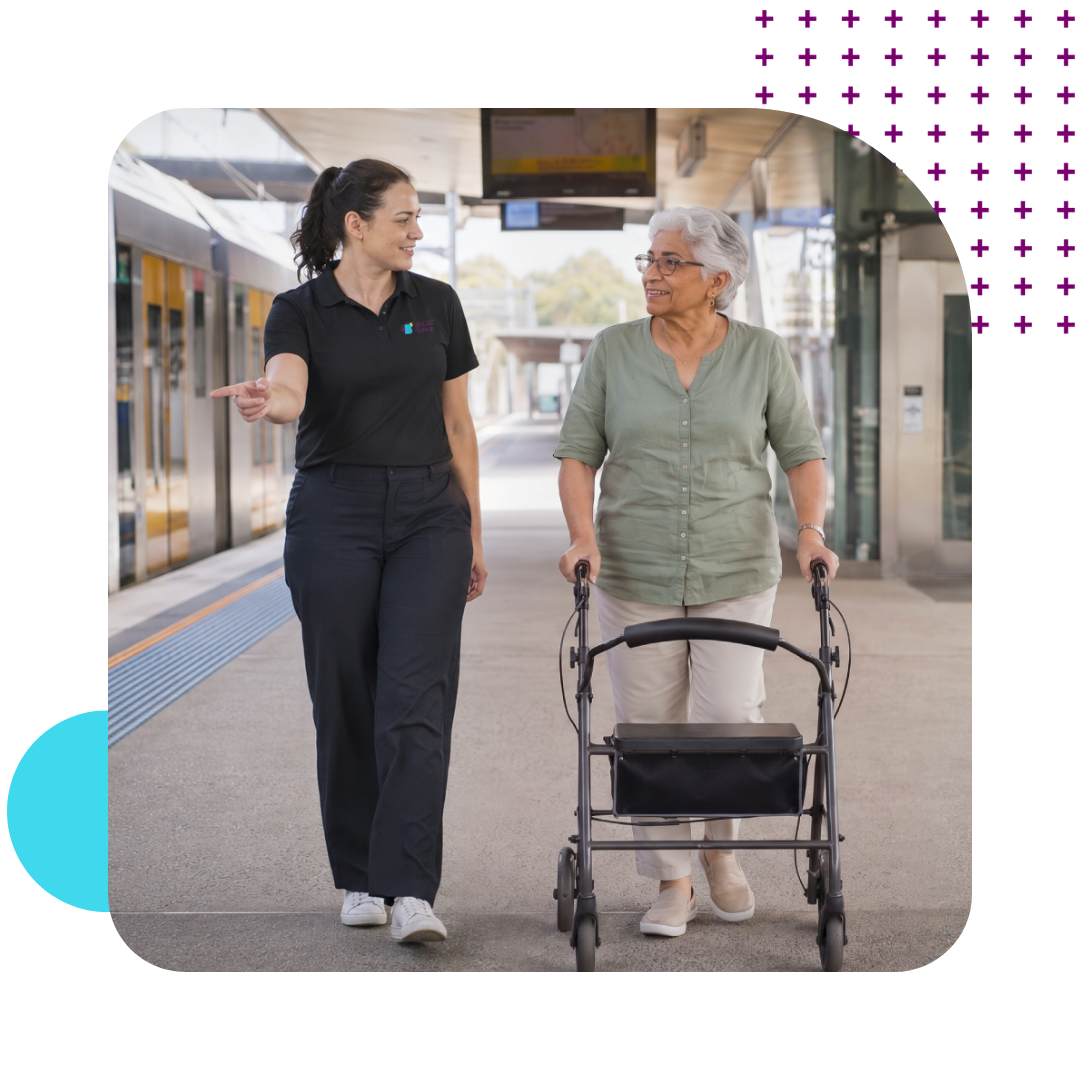
Maintaining Independence Starts with Early Physiotherapy Support
Independence is not just about completing tasks alone. It’s about having the physical ability to participate in everyday life, make choices and continue doing the things that matter most.
Changes in mobility and physical function can happen gradually for many people living with disability, recovering from injury, or managing a chronic health condition. These changes are often easy to overlook but recognising them early can make a meaningful difference in the short and long term.
Physiotherapy can help people improve or maintain mobility, strength, balance, and physical function through personalised, evidence-based support. The earlier concerns are identified, the more opportunities there are to build capacity, prevent unnecessary decline, and support long-term independence.
Wondering whether physiotherapy is the right next step?
Our experienced Physiotherapists can assess your participant’s mobility, strength, balance, and physical function, then develop a personalised treatment plan that supports their goals.
Learn more about our physiotherapy services
5 signs It’s Time to See a Physiotherapist
1) Everyday Tasks Are Becoming More Difficult
One of the earliest signs of declining physical function is finding routine activities more challenging than they used to be.
This could include:
- Standing up from a chair
- Walking shorter distances
- Getting in and out of bed
- Climbing stairs
- Carrying groceries or household items
A Physiotherapist can assess what’s contributing to these difficulties and develop strategies and exercises to improve movement and support greater independence. In addition to assistive technology prescriptions to optimise function.
2) Falls or Near Misses are Becoming More Frequent
Even if someone hasn’t experienced a serious fall, frequent trips, stumbles or loss of balance shouldn’t be ignored.
Changes in balance or mobility can affect confidence, participation in everyday activities and the ability to stay active and engaged.
Physiotherapy can help by identifying factors that may increase falls risk, such as:
- Reduced balance
- Muscle weakness
- Changes in walking patterns
- Reduced joint mobility
- Prescription of walking aids
Targeted exercises and practical strategies can help improve balance, mobility and safe movement in everyday environments.
3) Mobility Has Changed
Have you noticed someone walking more slowly, needing more support to move around, or finding everyday movement more challenging than before?
Changes in mobility may include:
- Walking shorter distances than usual
- Becoming tired more quickly during everyday activities
- Needing additional support or mobility equipment more often
- Difficulty changing direction or navigating uneven surfaces
These changes can reduce participation in work, education, social activities and community life if left unaddressed.
Physiotherapists work with participants to improve movement, build strength and develop practical strategies that support safe mobility across different environments.
4) Pain or Stiffness Is Affecting Daily Life
Persistent pain or stiffness isn’t something people simply have to live with.
Discomfort can make it harder to stay active, complete daily tasks or participate in hobbies and social activities.
While Physiotherapy doesn’t promise to eliminate pain, it can help identify contributing factors and provide practical strategies to improve physical function and comfort.
Treatment may include:
- Individualised exercise programs
- Movement education
- Strengthening exercises
- Flexibility and mobility work
- Practical advice to support everyday activities
Assistive technology may include:
Manual wheelchairs
Power wheelchairs
Lift recliners
- Mobility Aids
The goal is to help participants move more comfortably, improve function capacity and continue engaging in activities that are important to them.
5) They’ve had a fall and could benefit from assistive technology
Sometimes the signs are less obvious.
A participant may no longer be progressing towards goals they previously worked on, such as:
Returning to community activities
Keeping up with family, friends or the activities they enjoy
Participating in sport or recreation
Maintaining employment
Maintaining independence in everyday life or living more independently at home
When physical barriers begin affecting goal progress, physiotherapy can provide targeted support that aligns with the person’s individual goals.
Rather than focusing only on symptoms, Physiotherapists work collaboratively with participants, families, support coordinators, and healthcare teams to develop practical strategies that support meaningful outcomes.
Why Early Physiotherapy Matters
Waiting until physical challenges become significant can make everyday tasks more difficult than they need to be.
Early physiotherapy can help participants:
- Improve strength and mobility
- Build balance and coordination
- Maintain or improve independence
- Prevent the impact of secondary complications
- Reduce the impact of physical changes on daily life
- Continue participating in work, education, and community activities
- Work towards meaningful personal goals
Every person’s journey is different, which is why physiotherapy should always be tailored to their unique needs, goals and environment.
Recognising one or more of these signs? Early physiotherapy can help participants maintain independence and continue working towards their goals.
Refer a participant or contact our team: Make a Referral here
How Better Rehab Can Help
At Better Rehab, our Physiotherapists provide personalised, goal-focused support for children and adults across a range of funding options, including the NDIS, private funding and aged care.
We deliver physiotherapy where it’s most meaningful for each person, whether that’s at home, in the community, in clinic, at school or via telehealth.
Our Physiotherapists work closely with participants, families, carers, Support Coordinators and other healthcare professionals to deliver coordinated care that supports long-term independence and participation.
Whether someone is recovering from an injury, managing a neurological condition or living with disability, we’re here to help them build mobility, improve physical function and work towards the goals that matter most.
Ready to Take the Next Step?
If you’ve noticed changes in a participant’s mobility, balance or ability to complete everyday tasks, early support can make a meaningful difference.
Contact Better Rehab to learn how our Physiotherapy team can support participants to build capacity, improve physical function and continue participating in everyday life.
- Learn more about our Physiotherapy Services
- Contact our team to discuss the right support


